
WiSM - UGST112 Lab Tours!!!
Read through the research summaries of each participating lab.
Click on the lab name for more information.
Once you've decided on your top choice labs…

Ambati Lab
Knight Campus - Angiogenesis & Eye Technology
Dr. Bala Ambati devotes a significant portion of his time to research endeavors investigating the molecular mechanisms of angiogenesis, the growth of new blood vessels, in the cornea. His laboratory group has solved the long-outstanding mystery of what keeps the cornea normally free of blood vessels, identifying the protein sVEGFR-1 as the prime mediator of this essential requirement for clear vision. His team has applied this knowledge in developing novel inhibitors targeting the key mediator of angiogenesis, VEGF, specifically sequestering this linchpin molecule within cells, complementing the existing anti-VEGF arsenal.
Libuda Lab
Department of Biology
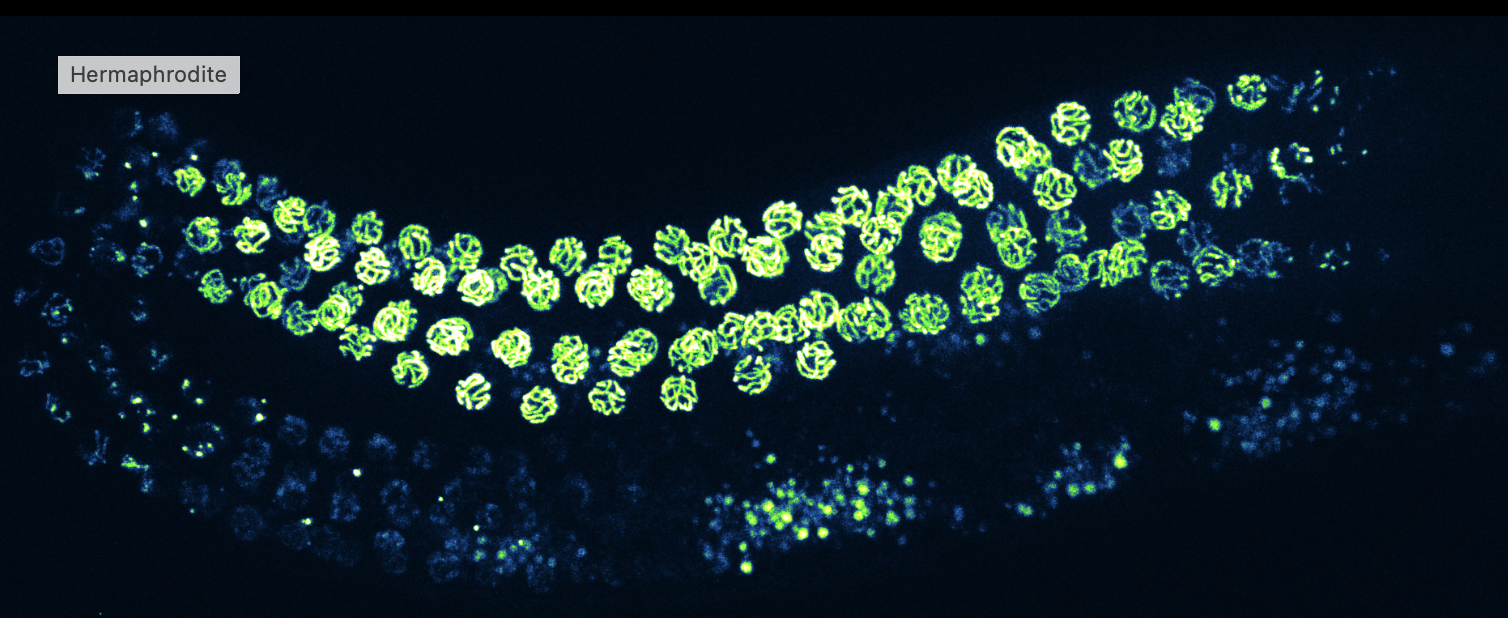
The Libuda Lab studies the fundamental molecular mechanisms that prevent infertility, birth defects, miscarriages, mutations, and cancer. Using nematodes and zebrafish as model organismal systems for human fertility, the lab identifies and studies the key genes and proteins that are required for DNA to be accurately repaired during meiosis, which is the specialized cell division that generates sperm and eggs. Research in the lab uses molecular genetics, live and fixed imaging, super-resolution and high-resolution microscopy, CRISPR-Cas9 genome engineering, genomics, and biochemistry.
Gardner Lab
Knight Campus for Accelerating Scientific Advancement
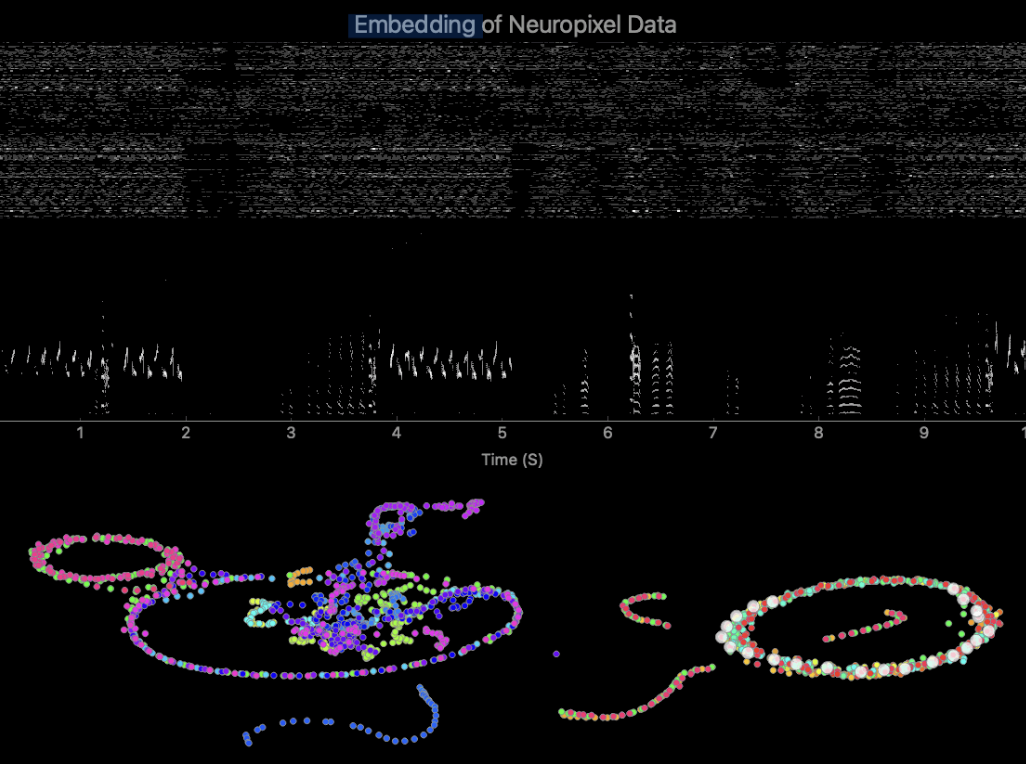
The Gardner Lab studies the brain regions responsible for planning and performing complex motor sequences, such as dancing and speech. Songbirds have specialized regions for learning and planning song, and we study them to understand how the brain cells in these areas work together to coordinate sequences. As part of the Bioengineering Department, the Gardner Lab also designs and builds custom devices to measure brain activity. By measuring and understanding how brains generate these patterns, we can better understand what underlies neurodegenerative disorders, informing treatment development.
Soil-Plant-Atmosphere (SPA) Lab
Ecology
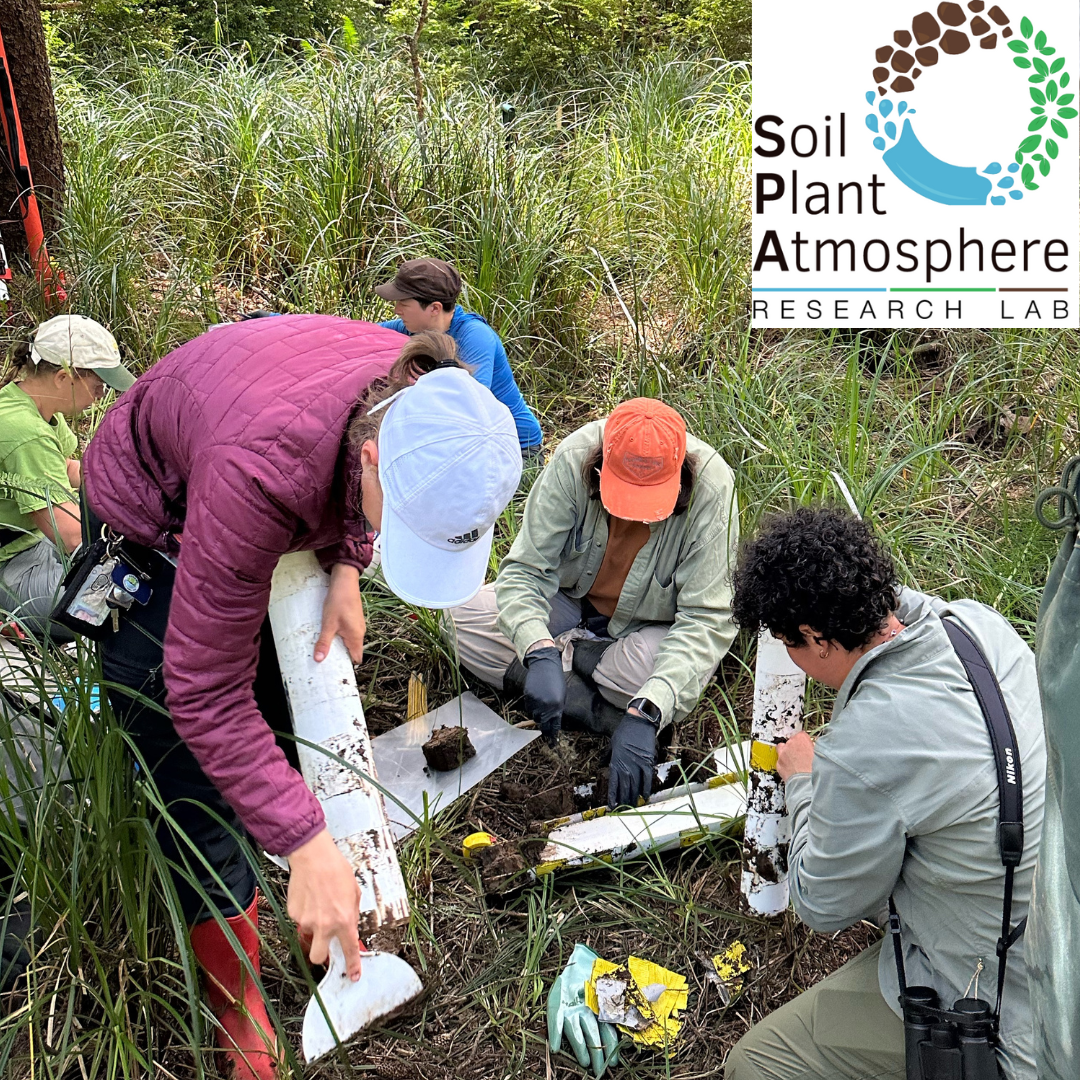
The Soil-Plant-Atmosphere (SPA) Lab research combines theory, experiments, and real-world observations to create new strategies for conservation, ecosystem management, and restoration. Students in our lab gain hands-on experience through fieldwork, lab experiments, and computer modeling. We collaborate with scientists and communities around the world to better understand the causes of climate change and to help reduce its impacts.
RESTORATION AND COMMUNITY ECOLOGY LAB (Hallett Lab, Biology and Environmental Science)
Biology and Environmental Science
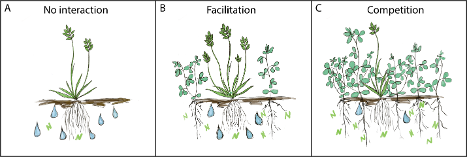
The UN has declared a coming Decade of Ecological Restoration, but amidst enthusiasm there is growing uncertainty of what restoration means in a human-dominated age. Global changes - climate change, nitrogen enrichment, and species invasions - can turn restoration goals into moving targets. The Hallett Lab aims to produce usable science to improve restoration outcomes. We use a combination of long-term data analysis, population modeling and field experiments, and work across a variety of systems, including working rangelands, serpentine grasslands, oak woodlands, alpine and rivers.

Brozek Lab
Chemistry
The Brozek lab is a group of synthetic chemists who look at the properties of novel porous materials called metal-organic frameworks. They investigate the dynamics of these materials, electrochemical properties, and fundamentals of their nucleation and growth to make nanocrystals. These materials have potential applications in chemical storage, catalysis, filtration, and much more!

Niell Lab
Biology/Neuroscience
Research in the Niell lab is focused on understanding how the visual system performs the computations underlying our perception of the natural world, and how this enables different types of behaviors. We are pursuing this in three main branches of research : Visual processing and brain states, Natural visual behavior, and Neural circuits for vision in the octopus.

Barber Lab
Ecology and Evolution
Animals and microbes encode a variety of molecules to sense, manipulate, and defend against one another. These complex interactions can ultimately mean the difference between peaceful coexistence and a deadly infection. Our lab studies how animals have evolved to recognize and respond to pathogenic microbes, and how pathogens adapt to colonize and survive in the host environment.
The Action Control Lab (Dr. Greenhouse and Dr. Swann)
Human Physiology
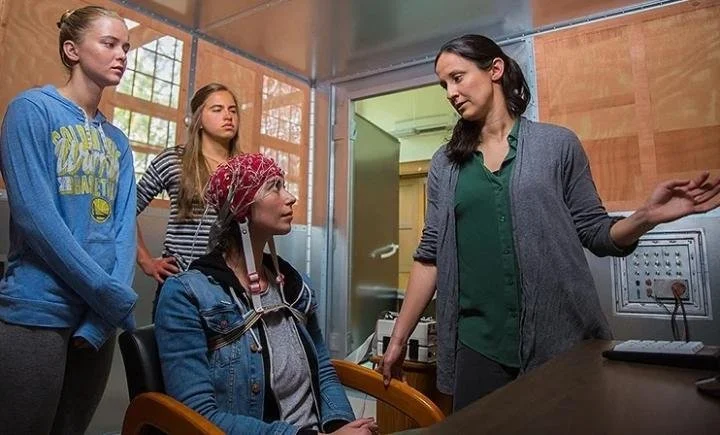
The Action Control Lab (Dr. Ian Greenhouse) and the Swann Lab (Dr. Nicki Swann) research how the brain controls movement in both health and disease. The Action Control Lab focuses on how we start and stop our movements, while the Swann Lab studies how brain networks break down in movement disorders like Parkinson’s disease. Using tools such as behavioral testing, brain stimulation, neuroimaging, and electrophysiology, the labs take complementary approaches to reveal the physiological foundations of human movement.

mcCormick Lab
Biology/Neuroscience
By examining how neurons operate electically, and how they talk to each other chemically, we are uncovering the neural circuits responsible for behavior. We are particularly interested in the neural circuits that transforms a sensory input into a decision that is then implemented in an action. We find great hope that revealing these neural circuits will increase our understanding of not only the ordered, but also the disordered, human brain.

Oregon IONs Lab
Quantum Mechanics
The Oregon Ions study quantum information using trapped ions, which is a leading platform for making quantum computers. We use lasers and oscillating electric and magnetic fields to probe the external motional and internal electronic states of individual calcium ions and develop tools and methods to further understand how to control quantum states. We also have a variety of molecular spectroscopy experiments, including one involved in the search for Dark Matter.

Louca Lab
Microbial Ecology and Evolution
The Louca lab studies the ecology and evolution of Bacteria and Archaea, the most ancient and the most ubiquitous form of life on Earth. Their metabolism drives biogeochemical fluxes in virtually every ecosystem and has shaped Earth's surface chemistry over billions of years. In our lab we focus on how these microorganisms interact with their environment to drive biogeochemical fluxes and, reciprocally, how this interaction affects microbial diversity. In addition, we are interested in understanding microbial evolutionary dynamics over geological time scales.

Miller Lab
Biology/ Neuroscience
In the Miller Lab, we are interested in understanding the building blocks of how the nervous system develops and functions. Brain cells, called neurons, talk to each other at specialized sites, called synapses. Chemical synapses release neurotransmitters, like dopamine, but the brain also uses another synapse, called electrical synapses. These synapses are broadly used, but we know very little about how they are formed, used or maintained. Work in the Miller lab uses zebrafish as a model organism to identify the molecules that build and maintain electrical synapses. Our goal is to uncover the basics of how electrical synapses are built so we can understand what may go wrong in different disease states.
Social and Affective Neuroscience (SAN) Lab
Center for Translational Neuroscience
The mission of the SAN Lab is to generate knowledge about goals, motivation, and self-regulation using tools from psychology and neuroscience and translate that knowledge to inform pressing social issues. The purpose of this work is to enrich society and drive innovation in theory, methods, and applications. Current projects focus on cigarette smoking cessation, future self-perception, and goal pursuit.